
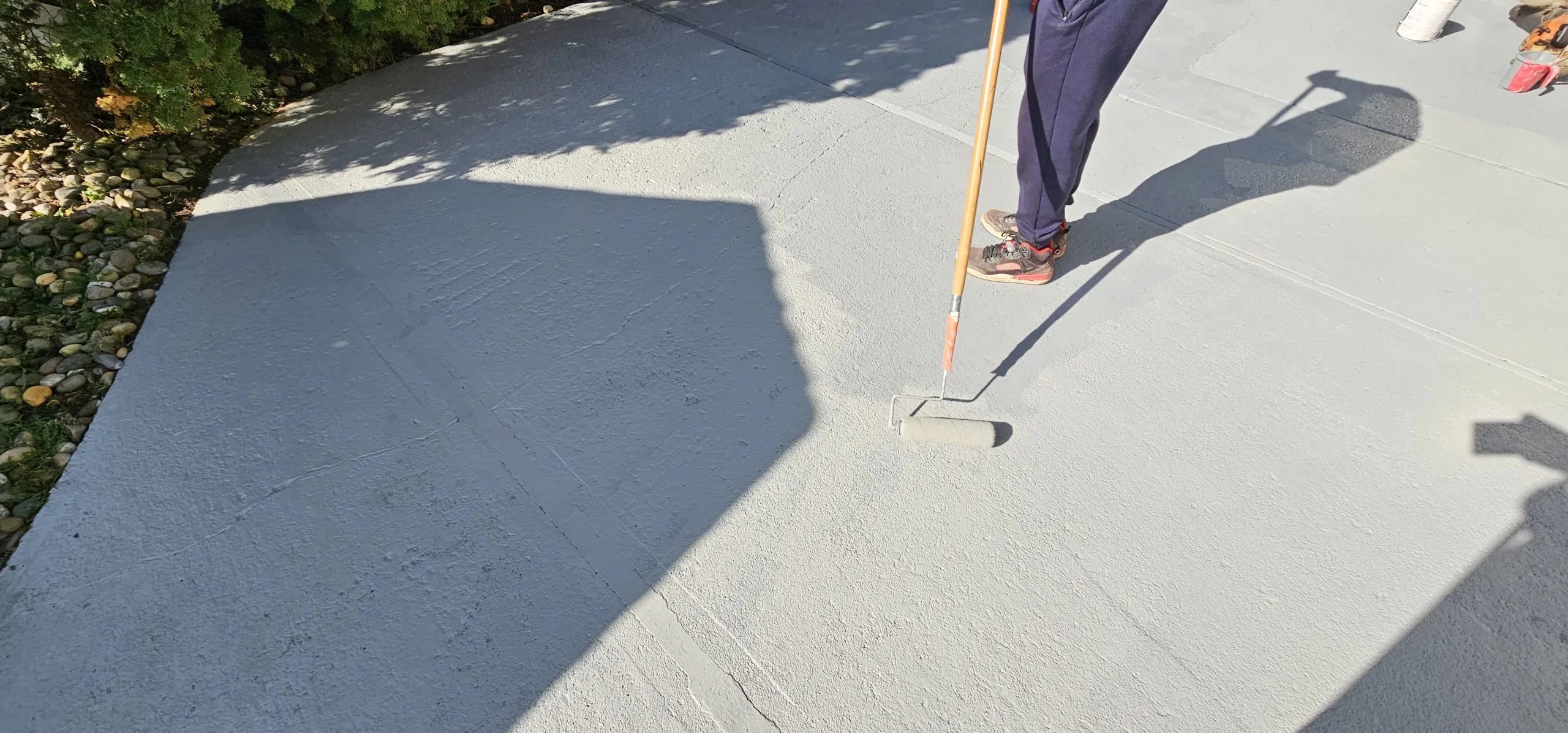
Discover when Concrete Stain and Seal suits Rayne, LA patios. Compare color choices, surface preparation, sealing, drainage, wet traction, and simple care.
Patio discoloration can make an otherwise useful outdoor space look neglected. Food spills, leaves, tracked soil, and fading finishes often leave concrete with uneven color. For homeowners in Rayne, LA, the question is whether the slab needs replacement or a thoughtful surface update. Concrete Stain and Seal may provide an option when the existing material remains suitable for treatment. Staining changes the appearance of concrete, while a compatible sealer helps protect the resulting finish.
Concrete Makeover provides concrete surface services for property owners evaluating their options. Successful results depend on identifying existing coatings, stains, cracks, and moisture conditions before choosing colors. A sealed patio still needs maintenance, and its finished appearance can reflect the character of the original slab. Learning these limitations helps homeowners avoid unrealistic expectations and make informed design decisions. This guide explores color selection, surface preparation, traction, sealing, and practical upkeep for outdoor spaces.
Understand What Staining Actually Changes
Concrete stain behaves differently from opaque paint. Many stains highlight variations within the slab instead of hiding every patch or previous repair. Some products penetrate the surface; others depend on particular application methods and substrate conditions. The resulting color can appear mottled, softly varied, or more uniform, depending on the chosen system. No contractor should promise that every area will take color identically.
Professional Concrete Stain and Seal work begins with an inspection of the material beneath the intended finish. Existing sealers, adhesive residue, oil, or other contaminants can prevent even staining. Some stains react with components in concrete, while other systems use pigments differently. Asking which product will be used helps clarify its limitations, application conditions, and maintenance requirements.
Color charts are starting points, not guarantees. A small test area can reveal how a particular slab responds under natural light. Homeowners should view samples after the proposed sealer is applied, because sealing may change the apparent color and sheen.
Identify Patio Problems Before Treatment
A faded surface is not necessarily a damaged one. Ordinary discoloration, small blemishes, or an outdated finish may be cosmetic concerns. In contrast, widening cracks, settlement, separated sections, and persistent moisture require closer evaluation. Decorative treatments do not stop structural movement, and they should not conceal conditions needing repair.
Check the patio after rainfall. Note areas where water collects, runs toward the house, or leaves recurring mineral deposits. Also examine transitions beside doors, steps, and planting beds. These observations help identify conditions that could affect the proposed work. A fresh sealer will not correct an improperly sloped slab or a blocked drain.
When planning patio staining in Rayne, LA, explain the patio’s history to the installer. Mention previous painting, pressure washing, repairs, and cleaning chemicals if known. Photographs showing wet and dry conditions can be useful. The goal is to determine whether the existing concrete supports staining and what preparation may be necessary.
Compare Color and Finish Options
The color should complement nearby walls, doors, landscaping, and furniture. Warm browns can work with brick or natural stone, while muted grays often suit contemporary finishes. Strong contrasts may highlight borders, but a busy pattern can overwhelm a compact patio. Consider how the space looks from inside the home as well as outdoors.
Water-based and reactive staining products can produce different effects, and product selection matters. A sample should show the likely range of variations rather than one perfect patch. Previous repairs may remain visible because repaired concrete can absorb or react differently. Ask which color changes are predictable and which are inherent to the substrate.
Sheen deserves attention too. High-gloss finishes may increase reflections and reveal surface marks. Lower-sheen options can create a quieter appearance, depending on the material. Neither option should be selected without considering traction when wet. The finished patio needs to suit actual walking conditions as well as the intended design.
Prepare Concrete for Consistent Results
Surface preparation is a major part of concrete staining and sealing. Dirt, grease, old coatings, and incompatible cleaning residues can affect how the stain behaves. Contractors may use specialized cleaning, grinding, or other methods appropriate for the chosen material. The surface must satisfy the manufacturer’s requirements before decorative products are applied.
Preparation also includes inspecting cracks and repairs. A stable crack may require treatment, while movement or settlement can call for additional investigation. Previously patched sections may retain a different appearance after staining. Discuss acceptable variation before installation so the result does not come as a surprise.
Protecting nearby areas is equally important. Plants, walls, thresholds, and outdoor equipment may need covering or temporary relocation. Ask how runoff and cleaning residues will be controlled. Proper sequencing reduces interruptions and supports a more consistent finished appearance.
Choose Sealing for Intended Use
Stain adds color; sealing provides a separate protective function. Depending on the formulation, a compatible sealer may improve resistance to moisture, certain stains, and normal wear. However, no sealer makes concrete immune to damage. Spills should still be cleaned promptly, and heavy abrasion can wear the protective layer.
Outdoor concrete sealing requires materials suitable for sunlight, temperature changes, and frequent wetting. Ask how the proposed sealer behaves in exposed conditions. Product specifications should also address whether it changes color, gloss, or texture. Some finishes may require traction additives to meet the intended use.
Sealing stamped concrete introduces additional considerations because texture and low areas can influence application and cleaning. The same principle applies to ordinary patios: choose products for the actual surface, not solely for their appearance in a sample. Clarify whether future resealing is expected and what signs indicate renewal might be appropriate.
Plan for Furniture and Foot Traffic
Patios rarely remain empty after refinishing. Tables, planters, grills, and chairs place weight on the new finish, while foot traffic can concentrate along common routes. The installation plan should account for moving these items safely. Ask whether heavy planters need protective bases and when furniture may return.
Curing times vary by stain and sealer chemistry, temperature, humidity, and other conditions. A finish that feels dry may not be ready for normal use. Follow the installer’s written return-to-service guidance for walking, cleaning, and placing furniture. Avoid scheduling a gathering immediately after application without confirming the expected timeline.
Kitchen and dining areas require extra thought. Food and beverage spills may happen often, and cleaning products should be compatible with the finish. A decorative treatment cannot eliminate staining risk entirely. Discuss the cleaning routine before work begins rather than discovering restrictions after the first spill.
Consider Youngsville Outdoor Spaces
Homeowners in Youngsville may face similar choices when older patios or outdoor walkways lose their visual appeal. A stained finish can complement an existing yard, but the slab’s condition determines whether the approach is suitable. Drainage, shade, tree debris, and foot traffic can differ even between neighboring properties. Evaluate the specific location instead of assuming one treatment fits every surface.
For those exploring outdoor concrete sealing in Youngsville, LA, ask how the selected system will perform near entrances and planted areas. Discuss wet traction and how leaves, irrigation spray, or tracked soil will affect cleaning.
Look at transitions between finished and unfinished sections. An abrupt change in sheen or color can be noticeable near a walkway. When only one area receives treatment, consider whether its borders will look intentional. Samples viewed alongside existing surfaces can help homeowners make a more confident design choice.
Compare Proposals Beyond Price
Two bids may use the same broad description while covering different preparation and finishing steps. One proposal may include stripping old sealer and repairing minor defects. Another may treat those tasks as additional work. Compare details before deciding which offers better value.
Ask contractors to identify the stain type, sealer, number of planned applications, and substrate requirements. Clarify which areas will receive repair, what variations may remain visible, and when the patio can reopen. A detailed proposal helps avoid confusion when the final color differs from a small sample.
Concrete Makeover can discuss its available surface services, but homeowners should still ask practical project questions. No realistic contractor can promise that a stain will hide every flaw or that an outdoor finish will never need maintenance. Clear limits and expectations are more useful than exaggerated durability claims.
Care for the Finished Patio
Regular maintenance supports the appearance of stained concrete. Remove leaves and abrasive dirt before they accumulate. Clean spills promptly with products approved for the installed sealer. Strong acids, aggressive scrubbing, and incompatible solvents can harm some finishes. Test unfamiliar cleaners only when the manufacturer’s instructions allow it.
Pay attention to high-use paths and areas beneath furniture. Furniture feet can concentrate abrasion, while trapped debris may leave marks. Protective pads may help, provided they suit outdoor conditions. Check for new cracks or water pooling rather than assuming the protective finish solves underlying problems.
Resealing needs depend on the product, exposure, and traffic. Ask for maintenance instructions that describe signs of wear and the appropriate renewal process. Avoid applying another product without checking compatibility with the existing finish. Thoughtful care keeps future maintenance manageable and prevents unnecessary work.
Conclusion
Concrete Stain and Seal can renew suitable concrete by introducing color and adding protective treatment. It works best when homeowners understand substrate conditions, drainage, finish variation, wet traction, and cleaning requirements. Staining does not repair unstable concrete, and sealing cannot prevent every stain or scratch.
For property owners in Rayne and Youngsville, a careful evaluation helps determine whether the proposed treatment fits everyday use. Concrete Makeover offers concrete surface services that can support those discussions. Focus on accurate preparation, realistic appearance expectations, and a maintenance plan that suits the finished patio.
Frequently Asked Questions
Will staining cover old concrete patches?
Not always. Repairs can absorb stain differently or remain visible after finishing. A test area and discussion of acceptable variation can help establish realistic expectations before the entire patio is treated.
Can a sealed patio become slippery?
Yes. Traction depends on texture, moisture, footwear, and the chosen sealer. Ask about suitable finishes and additives for wet areas rather than assuming that all sealers provide the same grip.
Is staining suitable for cracked concrete?
Some stable cracks can be repaired before decorative treatment. Active movement, settlement, or substantial damage may require additional evaluation. Stain and sealer cannot stabilize an unsound slab.
How long does a stained patio need to cure?
The schedule depends on products and installation conditions. Walking access, furniture placement, and cleaning may have different restrictions. Follow the installer’s written guidance for the actual system used.
Does stained concrete need regular cleaning?
Yes. Sweeping and compatible cleaning products help remove abrasive debris and spills. Maintenance requirements depend on the protective sealer, exposure, and actual patio use.
When should outdoor concrete be resealed?
There is no universal interval. Look for changes in protection or appearance and follow the product’s instructions. An inspection can help determine whether cleaning, localized repair, or renewal is appropriate.